
As parents and caregivers, we all want the best for our kids. We aim to nurture their creativity, expand their imaginations, and provide them with valuable life lessons. One wonderful way to accomplish these goals is through storytelling. Children’s storybooks, when used effectively, can be powerful tools for developing their minds and emotions. In this guide, we’ll explore how to spark your child’s imagination and enrich their learning experience through children’s story books.
1. Choosing the Right Books
To begin, it’s essential to pick the right books. Look for ones that are suitable for your child’s age and match their interests and stage of development. Seek out books with captivating stories, relatable characters, and meaningful life lessons. Whether it’s tales of adventure, friendship, or facing challenges, the right book can ignite curiosity and imagination.
2. Interactive Reading
Reading isn’t just about flipping pages; it’s a chance to interact. Engage your child by asking questions about the story. Encourage them to predict what might happen next or share their thoughts about the characters’ actions. Interactive reading encourages critical thinking and helps children connect more deeply with the story.
3. Encourage Creativity
After reading a story, encourage your child to let their creativity flow. Ask them to draw a picture inspired by the story or act out a scene using their favorite toys. This creative expression helps children make the story a part of their own world. Kids’ activity books, when used thoughtfully, are like keys to unlocking your child’s imagination and setting their young minds on a path of discovery and learning.
4. Discuss Life Lessons
Many children’s books offer valuable moral lessons. Take the time to talk about these lessons with your child. Ask questions like, “What do you think the character learned from this experience?” or “How would you have handled the situation?” These conversations help children develop empathy and a better understanding of right and wrong.
5. Explore Beyond the Book
Extend the learning beyond the pages of the book. If the story is about animals, consider visiting a zoo or watching a documentary together. If it’s a historical tale, explore related museums or historical sites. This real-world exploration reinforces the story’s concepts and makes learning more tangible.
6. Create Your Own Stories
Encourage your child to become a storyteller themselves. Provide them with blank notebooks or digital tools where they can write or illustrate their stories. This not only boosts their creativity but also improves their language and writing skills.
7. Make Reading a Routine
Consistency matters. Make reading a part of your daily routine. Set aside dedicated time for story sessions, whether it’s before bedtime or during the day. Establishing this habit not only strengthens your child’s reading skills but also builds anticipation and excitement.
8. Build a Home Library
A home library filled with a variety of books is a treasure for a curious child. Allow your child to choose books that interest them. A diverse collection introduces them to different cultures, perspectives, and genres, broadening their horizons.
9. Encourage Questions
Children are naturally curious, and storytelling can fuel their curiosity even more. Encourage your child to ask questions about the story, characters, and the world around them. Be patient and provide thoughtful answers or explore the answers together.
10. Be a Role Model
Lastly, lead by example. Let your child see you reading and enjoying books. Your enthusiasm for reading will inspire them and reinforce the idea that reading is a lifelong journey of discovery and enjoyment.
In conclusion, stories for kids books have the power to ignite the imagination, instill moral values, and foster creativity in our kids. By actively engaging with stories and following these tips, you can turn storytime into a dynamic learning experience that leaves a lasting impact on your child’s development. So, pick up a book, embark on an adventure, and watch as your child’s mind expands, and their love for learning grows with every page turned.
Since the beginning of time, telling stories has been an integral component of human society. Stories have always held a special place in our hearts, from reading bedtime stories to spending time over campfires. Being an adept storyteller can help you as a parent, grandparent, or other caregiver to forge magical connections with the kid in your life that will last a lifetime. It strengthens your relationship with your child while also fostering their creative thinking and cognitive growth. In this ultimate guide, we will explore the art of storytelling and equip you with essential techniques to weave magical stories for kids.
In conclusion, being the best storyteller for your kid involves tapping into the power of imagination, engaging their senses, and weaving meaningful tales that resonate with their young minds. Embrace the magic of storytelling, and you’ll create cherished memories that will be treasured for generations to come. So, gather around, open the book of wonders, and embark on a storytelling adventure that will shape your child’s world in the most delightful way possible.
Numerous visitors from all around the world will be welcomed to Frankfurt Book Fair 2023 for another thrilling live event. The most significant international book trade fair will open doors for publishers and book retailers at Messe to Celebrate the 75th Frankfurter Buchmesse from 18 to 22 October 2023. The largest trade show for books and magazines in the world will be held in Germany at the Frankfurt Book Fair. The yearly event was started in 1454 and is accessible to business travellers. Only the final two days of the event are open to the general public. Visitors can inform themselves completely about the latest appearances and publications and experience the most innovative trends.
Several genres are offered at the Frankfurt Book Fair, including fiction and non-fiction, books for young people and children, books about faith science and technology, art books, travel guides, works of visual art, and international publishers. Due to the numerous book readings and releases, this fair serves as a global platform for the book trade and draws book lovers from all over the world. The trade show will serve as a gathering place for publishing professionals and partners from the tech and creative sectors, including film and gaming, to share ideas, look for inspiration, learn about new procedures and technologies, and build relationships. The Frankfurt Book Fair 2023 venue's corridors will be filled with pavilions showcasing the latest products and authorization services, book premieres and reviews, educational seminars, and other exciting events, including THE ART+ marketplace.

This year’s Guest of Honour, Slovenia, will present itself not only as an attractive destination for travel, but also a country with a long-standing literary tradition. Cultural-political debates will again take place in the Frankfurt Pavilion on the Agora, which has received multiple awards for its architecture. The young Central European country has pioneering art and electronic music achievements, which will be showcased at the Frankfurter Buchmesse 2023 expo alongside other interesting Slovenian literary discoveries, including film, theatre, and more.
Are you excited to visit Frankfurter Buchmesse 2023? We at ExpoBeds would be delighted to organise your accommodation for the upcoming event edition! Browse various properties at discounted room rates near Messe Frankfurt through our ExpoBeds website. You can also send us your business trip requirements to receive a free personalised list of hotels for Frankfurt Book Fair 2023.
Event links:
Frankfurt book fair website
Contact details:
Frankfurter Buchmesse GmbH
Braubachstraße 16
60311 Frankfurt am Main
Germany
Tel +49 (0) 69–2102-0
Fax +49 (0) 69-2102-277
Click here for more information
In the age of screens and digital entertainment, picture colouring books continue to captivate the imagination of children. These delightful books not only provide hours of creative fun but also offer numerous educational benefits. From developing fine motor skills to enhancing cognitive abilities, coloring books play a significant role in a child’s learning journey. In this article, we will explore how picture colouring books make learning exciting for kids, highlighting their key advantages and why they are an essential addition to any collection of kids’ books.
Conclusion: Picture colouring books are not just a form of entertainment; they offer numerous educational benefits that contribute to a child’s overall development. By sparking creativity, enhancing fine motor skills, reinforcing object recognition, and promoting concentration, these books make learning exciting for kids. Moreover, colouring books nurture emotional well-being and storytelling skills, fostering a love for art and literature. So, whether it’s a rainy afternoon or a quiet evening, engaging children with picture colouring books are an excellent way to provide both entertainment and education in a single package.
Parents can upskill through children’s story books.
As parents, we all want to provide the best opportunities for our children to grow and develop their skills. We constantly seek ways to unlock their potential and create a positive learning environment. One innovative approach that has gained tremendous popularity is convertible playtime. By combining play and education, convertible playtime allows children to engage in fun activities while acquiring valuable knowledge. In this article, we will explore how convertible playtime can help unleash your child’s potential and also delve into the role of children’s book publisher in this transformative learning experience.
The Power of Convertible Playtime: Convertible playtime is a concept that blends play and learning seamlessly, creating an enriching environment for children. It goes beyond the traditional boundaries of education by incorporating interactive and hands-on experiences. This approach allows children to learn through exploration, problem-solving, and creative thinking while having a great time.
The Role of Children’s Books: Children’s books play a significant role in convertible playtime as they serve as valuable educational resources. Incorporating age-appropriate books into playtime activities offers numerous benefits for your child’s learning and development.
Conclusion
Convertible playtime is a remarkable approach to transforming learning for your child. By merging play and education, you create an environment where children can develop essential skills, unleash their creativity, and foster a love for lifelong learning. Children’s books play a pivotal role in this transformative process, providing endless opportunities for language development, imagination, and emotional growth. So, unlock your child’s potential with convertible playtime and watch them thrive in their journey of learning and discovery!
Are you looking for the perfect activity book to ignite your child’s imagination and keep them engaged for hours? With so many options available in children’s books, it can be overwhelming to select the right activity book for your little one. But fear not! In this blog, we will explore the top 10 things you should consider when buying an activity book for kids. Whether you’re browsing through the shelves at a book fair or searching online for the best these factors will help you make an informed decision. So, let’s dive in and find the perfect activity book that will delight and inspire your child.
Age Appropriateness:
The first and most crucial factor to consider is the age appropriateness of the activity book. Different age groups have varying levels of cognitive and motor skills. Ensure that the book aligns with your child’s age to provide them with challenges that are neither too easy nor too difficult. Look for age recommendations on the book cover or description to ensure a suitable match.
Theme and Interests:
As a parent, it is important to attend international book fairs and stay updated on the dates when they are taking place in your city. These fairs provide a fantastic opportunity to explore the latest offerings from children’s book publishers. By considering your child’s interests and hobbies, such as dinosaurs, animals, or space exploration, you can make informed choices while browsing through the wide selection of kids books. Selecting a book that aligns with their passions will ignite their imagination and foster a love for exploration and learning. With the diverse range of themed books available at the book fair, you have the exciting chance to discover the perfect book that will captivate and entertain your child while nurturing their love for reading.
Variety of Activities:
Look for activity books that offer a wide range of activities, including colouring, puzzles, mazes, dot-to-dots, word searches, and more. A diverse collection of activities ensures that your child remains engaged and avoids getting bored with repetitive tasks.
Educational Value:
While Children activity books are primarily for entertainment, they can also provide educational benefits. Consider the educational value of the activities included in the book. Look for books that promote learning concepts like numbers, letters, shapes, colours, problem-solving, and critical thinking skills.
Quality of Illustrations:
Visual appeal plays a significant role in engaging young readers. High-quality illustrations that are vibrant, detailed, and visually stimulating can capture your child’s attention and enhance their creativity. Flip through the pages or check online previews to assess the artwork’s quality.
Durability:
Kids can be rough with their belongings, so durability is a crucial factor. Look for sturdy, well-bound activity books that can withstand frequent use and handling. Thick pages or tear-resistant materials ensure that the book will last longer and can be enjoyed repeatedly.
Clear Instructions:
An activity book should have clear and concise instructions that are easy for children to understand independently. The instructions should be age-appropriate and provide guidance without overwhelming young minds. Consider books that provide step-by-step instructions or include visual cues to aid comprehension.
Interactive Elements:
Interactive elements add an extra layer of engagement to activity books. Pop-up features, flaps to lift, or stickers to place can make the activities more interactive and exciting. These elements encourage hands-on exploration and make the book more interactive and enjoyable for children.
Size and Portability:
Consider the size and portability of the kids activity book. Smaller-sized books are convenient for on-the-go entertainment, such as during travel or waiting in line. However, larger books may offer more room for creativity and larger illustrations. Choose a size that fits your child’s preferences and needs.
Reviews and Recommendations:
Before making a final decision, read reviews and seek recommendations from other parents, teachers, or online communities. Their insights can provide valuable information about the quality, appeal, and educational value of the activity book you’re considering.
Conclusion:
Choosing the perfect activity book for your child is an exciting journey that combines entertainment and education. By considering factors such as age appropriateness, themes, variety of activities
Make the flashcards visually appealing
Toddlers are interested in bright and colorful images. So make sure your flashcards are visually appealing. Use high-quality images with bright colors and well-defined shapes. Avoid too much text on flashcards as it can be overwhelming for young children.
Keep the sessions short and sweet
Keep your sessions with the flashcards brief and to the point because toddlers have a limited attention span. A good amount of time to dedicate to a flashcard session is five to ten minutes. This will keep your kid interested in the activity and engagement.
Use repetition
When it comes to assisting your child in remembering new words and concepts, repetition is essential. Repeat the same flashcards numerous times during each session and use them frequently. You can also go through past session flashcards to assist reinforce what your youngster has learnt.
Make it fun
Toddlers learn best when they are having fun. Make your flashcard sessions fun by collecting games and activities. For example, you can ask your child to point to a particular cartoon on the flashcard, or you can hide the flashcard and ask your child to find it.

Use the flashcards in context
To help your toddler understand the meaning of the words on the flashcards, use them in context. For example, if you are teaching your child the word “apple,” show them an apple and let them touch and taste it. This will help your child make the connection between the word and the object.
Be patient
Remember, toddlers, learn at their own pace. Be patient and don’t get discouraged if your child doesn’t seem to progress immediately. Keep using the flashcards regularly, and over time, you will see your child’s vocabulary and cognitive skills improve.
Lots to Spot Flashcards
These examine areas that young kids are learning to become familiar with, including food and the home, as well as subjects they claim to develop an interest in, such as dinosaurs or vehicles. Our Lots to Spot Flashcards look at colors and numbers in addition to the naming word or noun to broaden learning and make them more useful than merely for word recognition.
Phonics Flashcards
When your child first starts school and is learning to read by connecting sounds, handheld cards are a terrific way to help them. It implies that kids can review unfamiliar and challenging sight words as well as sounds and words they can easily recognise.
The Phonics Flashcards by Glad Little Doers is a terrific product for assisting parents in better understanding the complicated world of phonics while assisting their child in the development of speech and language.
Toddlers can learn and take in knowledge in a variety of ways. Every toddler learns differently, as we frequently say. It is crucial to engage with flashcards using activities and physical connection because using them alone might be restrictive. Working with flashcards is crucial since toddlers have a short attention span of just 8 minutes, therefore it’s crucial that the activities be interesting and provide the necessary knowledge and skills for learning.
Have you ever wondered why some kids run away from reading? Reading is like a magical journey where you can explore new worlds and meet interesting characters. But sometimes, it can feel like a chore or get overshadowed by other activities. In this blog, we’ll uncover the reasons behind this trend and discover ways to bring the joy of reading back into your life! We’ll explore the enchantment of fairy tales, the timelessness of classic stories, and the wonders of children’s books. Get ready to embark on an adventure filled with imagination, knowledge, and the joy of reading!
The Magic of Fairy Tales: Fairy tales are filled with magical creatures, brave heroes, and exciting adventures. However, some kids might shy away from reading them because they think they’re just for little kids or not as exciting as movies or video games. But here’s the secret: fairy tales hold endless possibilities for imagination and learning. They teach us valuable lessons about kindness, bravery, and the power of friendship. So, next time you come across a fairy tale, let your imagination soar and see where it takes you!
Exploring Classic Stories : Classic stories have stood the test of time for a reason. They are like treasures waiting to be discovered! However, the old-fashioned language and lengthy narratives of classics might make them seem daunting. But fear not, there are many ways to make them more accessible. Look for abridged versions or illustrated adaptations that capture the essence of the story. Classic stories often carry important messages and themes that are still relevant today. So, give them a chance, and you might find yourself transported to a different era and inspired by the timeless wisdom they offer.
The World of Children’s Books: Children’s books come in all shapes and sizes, offering something for everyone. They can take you on thrilling adventures, teach you fascinating facts, or make you laugh out loud. If you find reading boring, it might be because you haven’t discovered the right books for you. Visit your local library or bookstore and explore different genres that interest you—whether it’s mystery, fantasy, or non-fiction. There are countless stories waiting to be explored, just like hidden treasures waiting to be discovered!

Unlocking the Power of Imagination : Reading is a superpower that unlocks the gates to your imagination. When you read, you can picture the characters, the places, and the exciting events in your mind. It’s like watching a movie inside your head! So, if you feel like running away from reading, try to visualize the story as you read. Your imagination is a powerful tool, and reading can help it grow stronger and more creative!
Making Reading Fun : Sometimes, reading feels like a task rather than a source of joy. But it doesn’t have to be that way! Find ways to make reading fun and engaging. Create a cozy reading nook with pillows and blankets, or have a reading party with friends where you can discuss your favourite books. You can even act out scenes from the stories or draw illustrations inspired by the characters. Remember, reading is not just about the words on the page—it’s about the experiences and adventures that come to life in your mind!
Reading is a magical journey that takes you to places you’ve never been before. It fuels your imagination, teaches you new things, and opens doors to endless possibilities. If you find yourself running away from reading, take a moment to reflect on why and explore different types. Numerous children’s book publishers have released captivating books that can captivate children for hours on end.
Bedtime reading is an essential part of a child’s routine. Not only does it enhance their language, vocabulary, and comprehension skills, but it also provides parents and their kids with a chance to bond and spend quality time together. In this post, we’ll answer some of the most common questions kids have about bedtime stories.
What exactly is a bedtime story?
A bedtime story is a tale that parents or caregivers read to their children before they go to sleep. Bedtime stories can come in various formats, such as books, audio recordings, and online content. Many children book publishers have come out with a beautiful collection of such stories.
Why is bedtime reading so important?
Bedtime reading is a wonderful way for parents to connect with their children and strengthen their relationship. It’s often the only time of day that’s peaceful and free from distractions. Reading before bed is also crucial in establishing a healthy sleep routine. Children who are less anxious before bed tend to sleep better and feel more refreshed the next day. When reading and sleep are associated with companionship and relaxation, winding down with a book with famous classic stories , fairy tales or any other interesting stories at the end of the day keep the child excited.
Why do parents read bedtime stories to their children?
There are many reasons why parents read to their children. In addition to cultivating a love for reading, bedtime stories can provide a calm and enjoyable way to end the day. They also allow parents and their children to connect and spend valuable time together.
What are the benefits of bedtime reading?
The advantages of bedtime reading for children are numerous. Bedtime stories can help children improve their language, vocabulary, and comprehension skills. They can also inspire creativity and imagination. By reading bedtime stories, children can learn about the world around them, develop empathy, and enhance their social skills.
What are some popular bedtime stories?
There are countless bedtime stories to choose from, but some of the most popular ones include “Goodnight Moon” by Margaret Wise Brown, “Where the Wild Things Are” by Maurice Sendak, and “The Cat in the Hat” by Dr. Seuss.
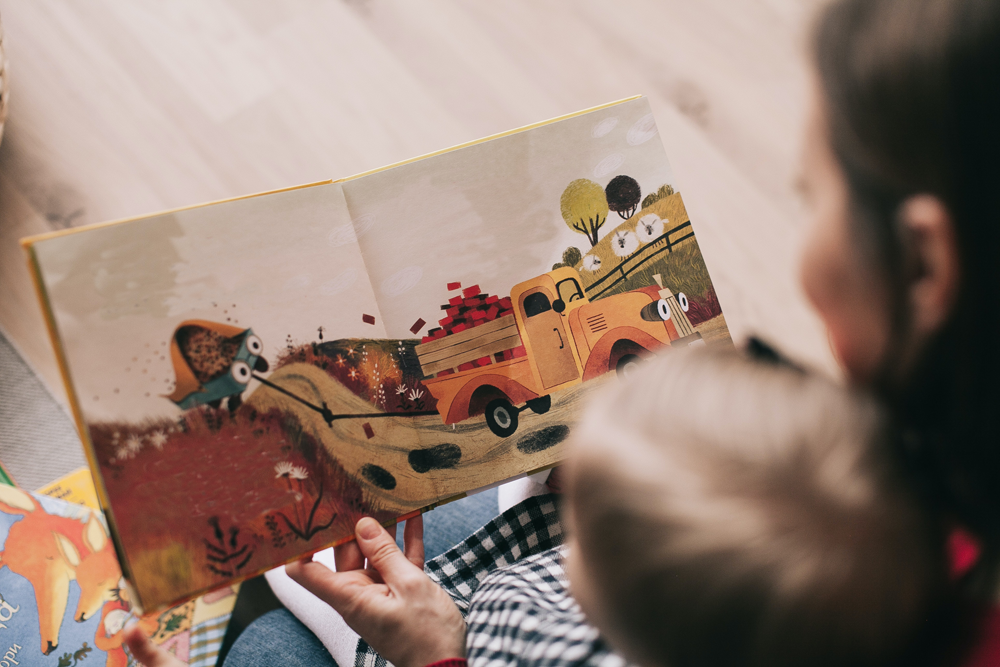
Is it okay to read the same bedtime story every night?
Yes, it’s perfectly fine to read the same bedtime story to your child every night if both of you enjoy it. However, it’s also recommended to switch things up occasionally and offer new stories to keep things interesting and engaging for your child.
How can I choose a bedtime story?
Choosing a bedtime story can be a fun and interactive process. You can involve your child in the decision-making process by letting them choose a book from the library or bookstore. You can also select books based on your child’s interests or current events. Keeping an eye on can give you an idea of new children’s books that have been launched.
When should I stop reading bedtime stories to my child?
You are not obligated to stop reading bedtime stories to your child even after they have mastered reading on their own. In fact, picking books that may be a bit too challenging for them to read independently can help expand their vocabulary and improve their reading skills. For older children who prefer reading independently, you can gradually increase the weekly reading time with them. Alternatively, you can still read to them and enjoy the company as you curl up together.
Follow us for more updates:
Reading is one of the most important skills that a child can learn, and it’s essential for their growth and development. As a child, you may not always realize the benefits of reading, but trust us when we say that reading is one of the most valuable gifts you can give yourself.
One of the best things about reading is that it can take you to new worlds and allow you to imagine new things. Reading can help you to develop your creativity and imagination, which can be beneficial in many areas of life. Kids books, fairy tales for kids, and classic stories for kids are all excellent ways to expand your imagination and explore new ideas.
When you read, you come across new words that you may not have heard before. Reading is an excellent way to expand your vocabulary and learn new words. This skill is essential for success in many areas of life, from communication to education and career. Many Children’s book publishers are excellent resources for finding books that can help you expand your vocabulary.
Comprehension is the ability to understand and interpret written material. Reading can help you to develop this skill by allowing you to practice analyzing, understanding, and interpreting what you read. The more you read, the better your comprehension skills become. These skills are important not only for academic success but also for life in general. Being able to understand instructions, contracts, and other written material is essential for success in many areas of life.
Reading is an excellent way to relax and reduce stress. It allows you to escape from the stresses of everyday life and enter a world where you can relax and unwind. Reading can also improve mental health by helping you to develop empathy and understanding. Children’s books that deal with complex issues such as mental health, bullying, or prejudice can help you develop greater empathy and understanding of others.
Reading requires concentration and focus. When you read, you need to focus on the words on the page and understand what you’re reading. This process helps you to develop your concentration and focus, which can be useful in many areas of life. Kids who read regularly can concentrate for longer periods, which can help them in school and in other areas of life.
Reading is a fundamental skill that is essential for academic success. Kids who read regularly are more likely to do well in school, score better on tests, and perform better academically. Reading can help you to develop critical thinking skills, problem-solving skills, and creativity, which are all essential for success in school and in life.

Reading is an excellent way to improve your communication skills. Children’s books that deal with different styles of writing can help you develop your writing skills. Reading can also help you to learn how to communicate effectively, which is a vital skill for success in many areas of life. Kids who read regularly are more likely to communicate clearly and effectively, which can help them in their relationships with others.
Reading can also improve your social skills. Children’s books that deal with different cultures and perspectives can help you develop a greater understanding of others and learn how to interact with people from different backgrounds. Reading can also help you to develop empathy and understanding, which can be beneficial in your relationships with others. Kids who read regularly are more likely to be successful in social situations and develop positive relationships with others.
Buttercup Publishing’s “The Spider’s Web,” written and illustrated by Helen Poole explores the fascinating world of spiders and their webs, as well as the important role they play in our ecosystem. The book is full of interesting facts about spiders, including how they spin their webs, what they eat, and how they defend themselves. The illustrations are beautiful and detailed, bringing the world of spiders to life on the page. This book is an excellent example of the type of educational and engaging children’s books that Buttercup Publishing produces.
You can also check out Buttercup publishing’s ‘BOB AND BOT GO TO THE PARK’
“Bob and Bot Go to the Park” is another delightful book from Buttercup Publishing, written by Rebecca Durose- Croftand illustrated by Jordan Wray. This book takes young readers on a STEM learning adventure with Bob and his robot friend, Bot, as they explore the park together.
As they explore the park, Bob is curious about everything he sees, and Bot has all the answers to his questions. Together, they learn about the natural world around them, from the plants and trees to the insects and animals that call the park their home. They also learn about the scientific concepts behind some of the park’s features, such as the playground equipment and the fountain.
The story is fun and engaging, and the illustrations are colourful and lively, bringing the park to life on the page. This book is an excellent example of how children’s books can be used to introduce young readers to STEM learning in a fun and accessible way. “Bob and Bot Go to the Park” is sure to inspire curiosity and wonder in young minds and spark a love of learning that will last a lifetime.
Buttercup publishing’s Illustrated 365 fairy tales ‘ Illustrated 365 fairy tales is a beautiful collection of remarkable fairy tales for children aged 5+. The timeless lure of well-known fables along with some newly written stories magically captured in this beautifully illustrated book, ideal for younger readers. Each story to life with vivid illustrations. This beautiful hardback of 365 stories makes a gorgeous read for all the year-round.
“Illustrated 365 Fairy Tales” is another wonderful book from Buttercup Publishing, featuring a collection of 365 classic and newly written fairy tales, beautifully illustrated and ideal for younger readers aged 5+.
The book contains a mix of familiar and lesser-known tales, each brought to life with vivid illustrations that capture the magic and wonder of these timeless stories. From Cinderella and Snow White to lesser-known tales from around the world, this book offers a rich and varied selection of stories that are sure to delight young readers and spark their imaginations.
The book is presented in a beautiful hardback format that makes it an ideal gift for any young reader. The stories are organized by date, so readers can enjoy a new fairy tale every day of the year. This makes the book an excellent way to encourage daily reading and inspire a love of storytelling in young readers.
“Illustrated 365 Fairy Tales” is a perfect example of the kind of high-quality children’s books that Buttercup Publishing is known for. With its stunning illustrations, diverse selection of stories, and durable hardback format, this book is sure to become a treasured addition to any child’s library.
For more updates